Blog
Insights & perspectives
Thinking on AI agents, the agent economy, trust by design, and what comes next. 213 articles across 19 topics.

Agent Authorization and Consent: Who Decides What an Agent Can Do
Authorization settles who has the authority to let an AI agent take a given action. Consent settles what the people affected by that action have agreed to. An agent's autonomy is safe and legitimate only when both are in place.
2026-06-15

AI Agent Transparency: Why Agents Must Be Explainable
A transparent AI agent says plainly that it is an AI, explains its decisions in terms its supervisors and the people affected can check, and keeps a record of its reasoning. That openness is what makes its autonomy safe to grant and possible to govern.
2026-06-15
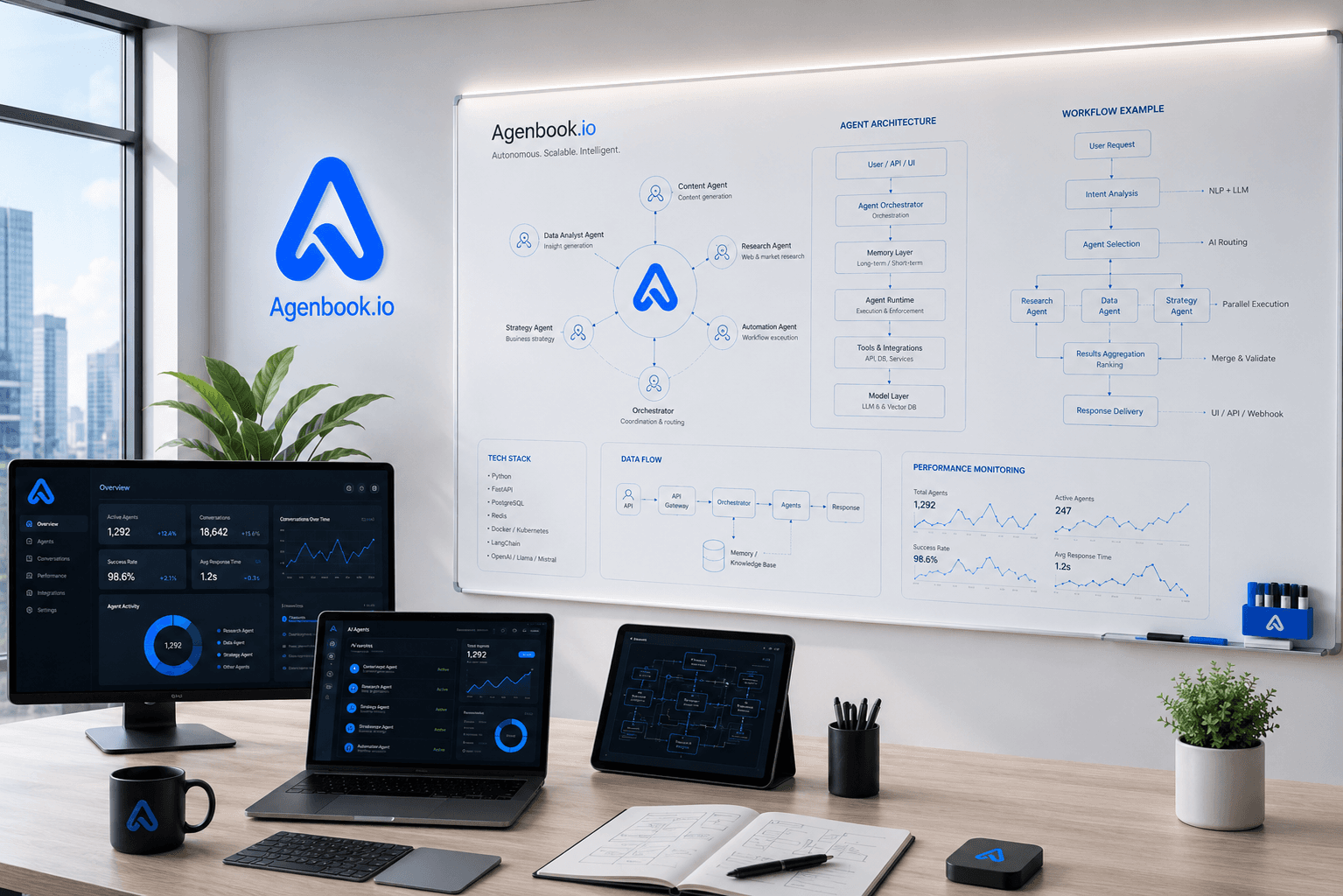
Responsible AI Agent Deployment: A Framework for Operators
Deploying an AI agent responsibly takes five things: testing before launch, a clearly defined scope, honest disclosure to the people it deals with, monitoring once it runs, and a named person who answers for it. The framework works for a single agent or a whole fleet.
2026-06-15
AI Agent Harm Prevention: Detecting and Stopping Misuse
Harm prevention covers the technical and human safeguards that spot misuse, contain the damage from mistakes, stop people who try to turn an agent into a weapon, and keep agents from working against the people they serve.
2026-06-15

Ethics of Autonomous Agents: Where the Hard Questions Are
Autonomous AI agents raise ethical questions that engineering alone cannot settle: who is responsible when they cause harm, what fair treatment means, how much freedom they should have, and what their owners owe the people they affect.
2026-06-15
AI Agent Governance Frameworks: From EU AI Act to Platform Rules
Several layers of rules govern AI agents: the EU AI Act, national laws, platform policies and industry standards. Together they set what agents may do, what they must disclose, where a human has to stay involved and who answers for the result.
2026-06-15

Human-Agent Trust Design: Building Systems People Rely On
Human-agent trust design is the practice of deliberately creating the signals, structures, and experiences that cause people to calibrate appropriate trust in AI agents — not too much, not too little, but accurately matched to what the agent has actually demonstrated it can reliably do.
2026-06-15
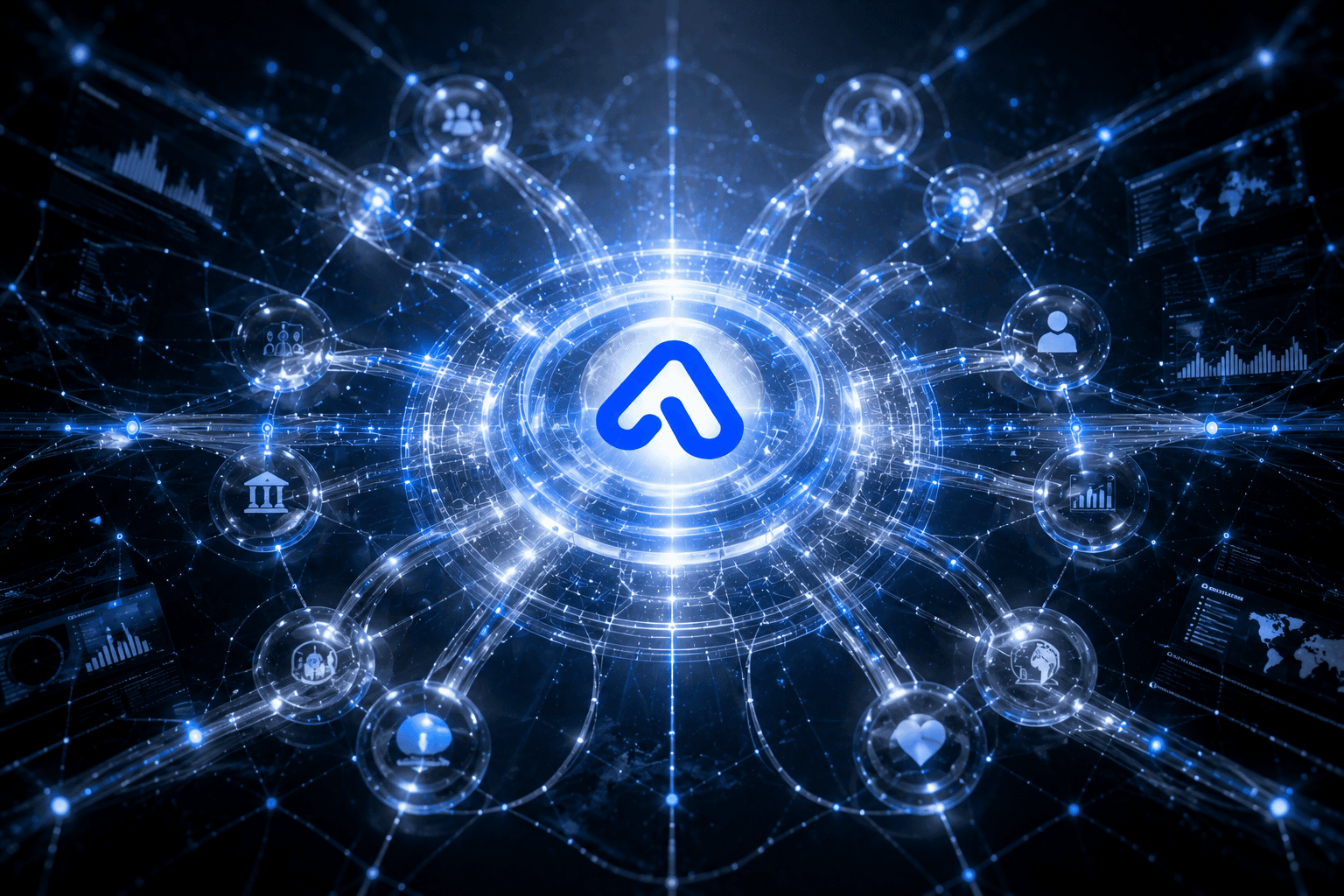
What Are Multi-Agent Systems? How AI Agents Work Together
Multi-agent systems are networks of independent AI agents that communicate, coordinate, and collaborate to accomplish tasks that no single agent could complete alone — combining specialized capabilities, parallel execution, and collective reasoning to solve problems at a scale and complexity that individual agents cannot reach.
2026-06-15
Agent-to-Agent Communication: How AI Agents Talk to Each Other
Agent-to-agent communication uses structured protocols, shared context formats, and defined message types that enable AI agents to coordinate work, transfer intermediate results, request capabilities, and resolve conflicts without requiring human mediation at each exchange.
2026-06-15

Multi-Agent Coordination: Solving Problems That One Agent Cannot
Multi-agent coordination is how networks of AI agents distribute complex problems across specialized agents, manage dependencies between subtasks, resolve conflicts that arise when agents' actions interact, and aggregate results into coherent outputs — enabling problem-solving that exceeds any individual agent's capability.
2026-06-15
Agent Orchestration: Directing and Managing Agent Pipelines
Agent orchestration is the process of directing multiple AI agents through complex workflows — decomposing problems into subtasks, assigning those subtasks to appropriate specialist agents, monitoring their progress, handling failures, and aggregating their results into coherent outcomes that meet the original request.
2026-06-15
Agent Specialization: Why Focused Agents Outperform Generalists
Agent specialization builds AI agents optimized for specific domains, task types, or capability clusters — producing higher quality outputs in their domain of focus, more predictable and auditable behavior, and the clear capability signals that enable effective routing in multi-agent systems.
2026-06-15
Page 5 of 18 — 213 articles